Bluff your way into the group
The Outsider
One of you is completely faking it. Can you spot who doesn't belong?
Everyone sees the same word grid, but one player cannot decode the secret word. Give one-word clues, read the room and work out who is bluffing.
- 4–8 players
- 15-30 minutes
Free to set up. Start with The Outsider, then choose 3 games for A$10 or all 6 for A$15 before you pay.
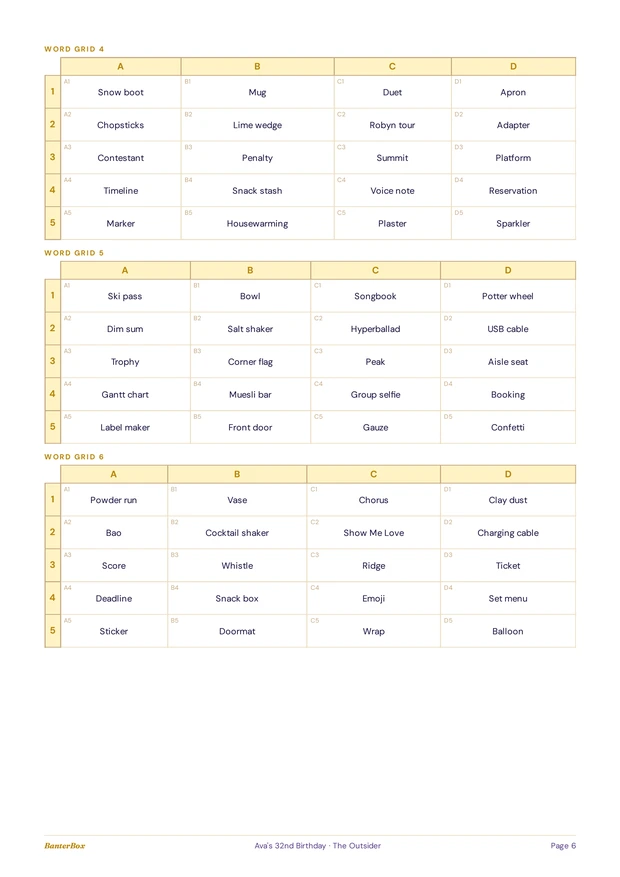
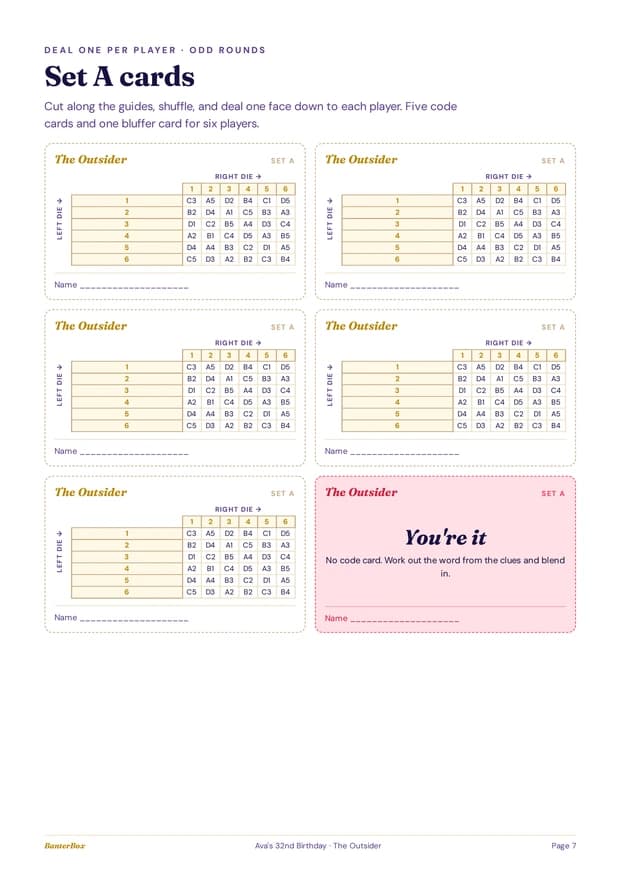
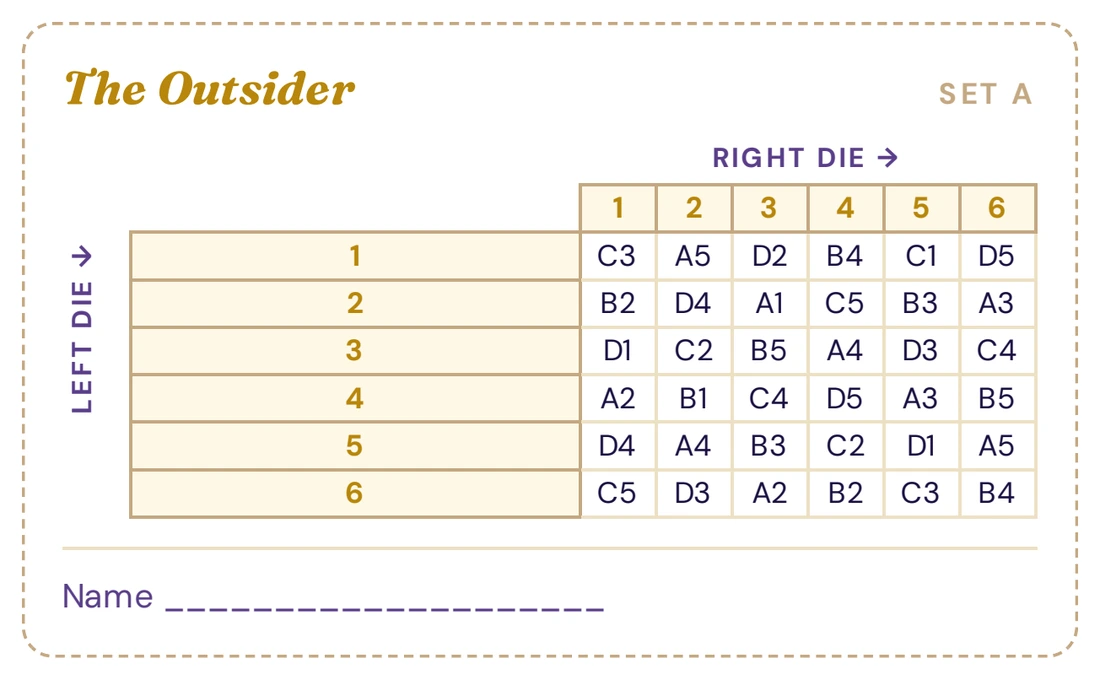
A short look inside a sample BanterBox, with selected examples from all 6 games. Free, no email needed.
How to play
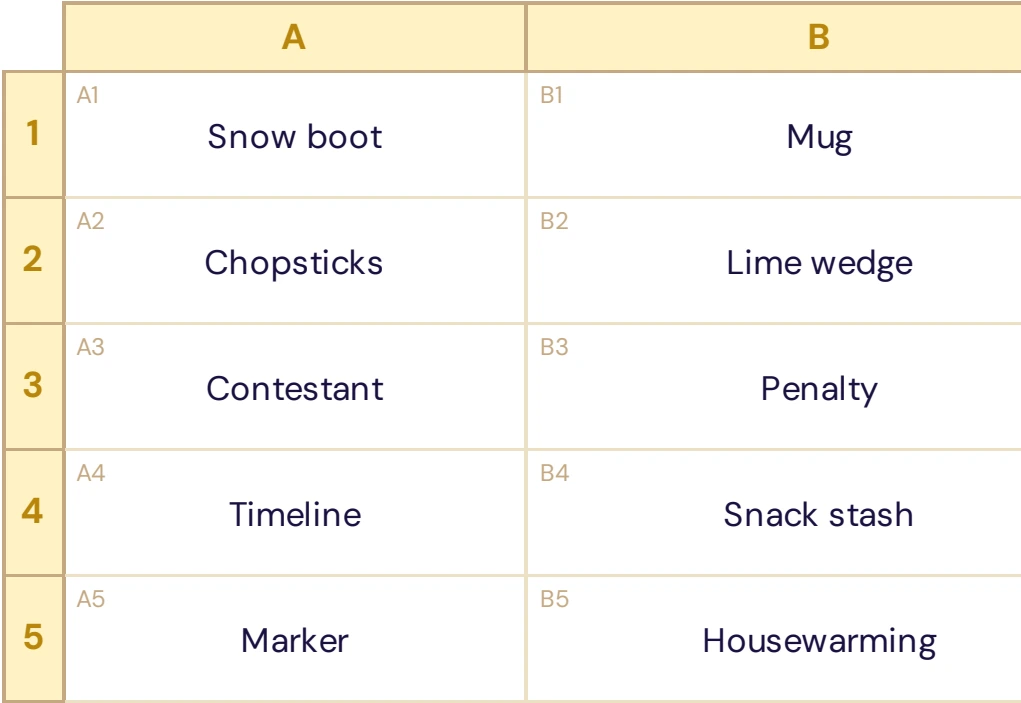
Everyone sees the same grid and the same dice. Almost everyone can decode them. One player cannot.
Step 1
Setup
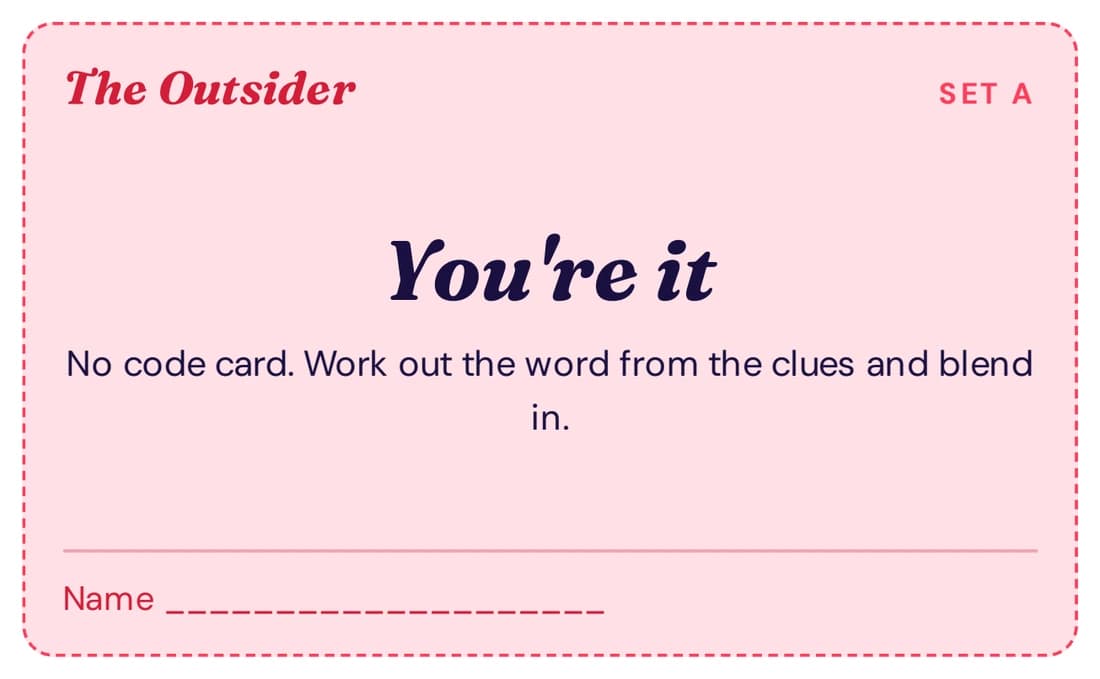
Place one 20-word grid face-up where everybody can see it. Deal one card face-down to every player. Almost everybody receives a code card. One player receives The Outsider card instead. Alternate between Code Set A and Code Set B between rounds.
- dice.onl/2-diceLeft die 3Right die 2Roll3 / 2Code cardC2Word gridOASIS
Step 2
Roll and find
Roll both dice where everyone can see them. Players with code cards use the left die for the row and the right die for the column. Find that coordinate on the grid. Now everyone with a code card knows the same secret word. The Outsider sees the dice and the grid but has no code card.
- PriyaBritpop
- TomManchester
- SamGuitarOutsider
Step 3
Give one clue
Going clockwise, every player says exactly one word. If you know the secret word, prove you know it without making the answer obvious. If you're The Outsider, listen to everyone before you, scan the 20 words on the grid and say something convincing enough to survive.
- PriyaTomAvaMiaSamMost votes
Step 4
Discuss and vote
Once everybody has given a clue, talk about who sounds suspicious. On three, everyone points at the person they think is The Outsider. The player with the most votes is accused. A tied vote means The Outsider escapes.
Final guess
OASIS
Correct
+1 point
Step 5
One last guess
If the accused player is The Outsider, they reveal their card and get one final guess at the secret word. Guess correctly and they score 1 point. Guess incorrectly and they score nothing, while every player who voted for them scores 1 point. First to 5 points wins.
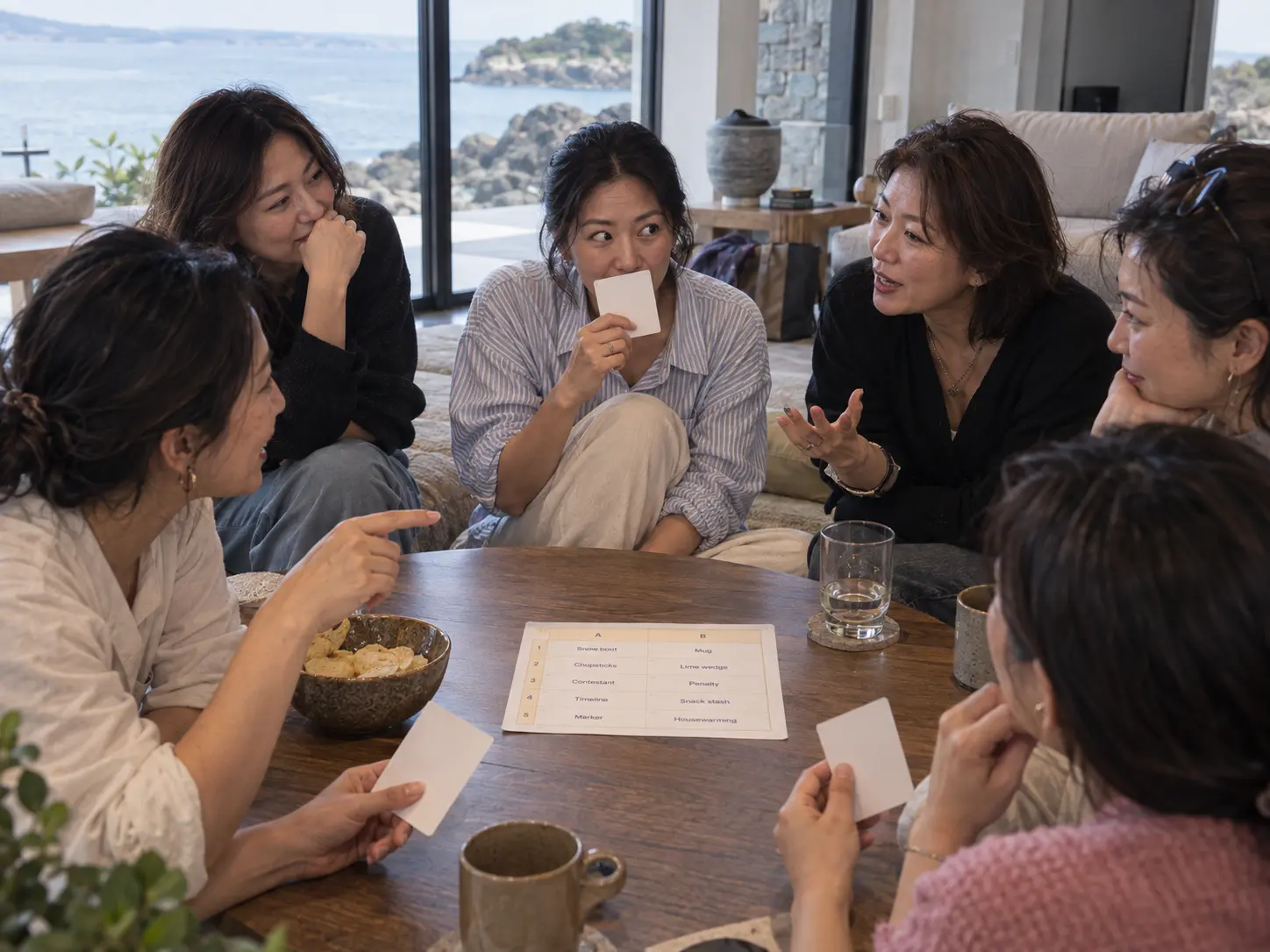
Everyone knows what is going on. Almost everyone.
Most players have the information they need. One person is bluffing, and every answer gives the group another reason to get suspicious.
Custom grids
How your personal stories become part of the secret code
You give us the places, habits, favourite things and stories your group actually recognises, like Sam's obsession with Oasis. The strongest details become words on the grid, sitting alongside general words so there's always enough to bluff from.
The bluffing is only half the problem
The Outsider is not blind. They are stranded.
They can see every word on the grid. They just cannot tell which one everyone else knows. Every clue becomes information. And every clue you give them could be the one that helps them escape.
Prove you know it without giving it away
That squeeze is the core of the game. Give an obvious clue and The Outsider narrows down the grid. Get too clever and your own friends decide you're the faker instead. Nobody gets to give the perfect clue.
Every clue makes somebody look suspicious
The Outsider is bluffing, but in a way, so is everyone else. Everyone is deliberately trying not to say the obvious thing. Which means a completely legitimate clue can sound unbelievably guilty.
Getting caught is not the end
Even if the room identifies The Outsider, they still get one final guess at the secret word. You can catch the right person and still realise the table collectively told them far too much. That's usually when the blaming starts.
Questions
Do we need physical dice?
No. The game uses two dice each round, but they can be physical or the two-dice roller linked in the instructions. Everyone just needs to see the same roll before the players with code cards decode the secret word.
Can people who are new to the group still play?
Yes. Everyone sees the same 20-word grid, so nobody is being tested on hidden trivia just to take part. The grids mix recognisable details from your group with strong clueable words, which means newer friends can still bluff, deduce and compete even when an occasional reference means more to the old hands.
See the other games
Every game plays differently. Mix and match from the personalised BanterBox collection.

Secret Missions
Secret tasks that turn the whole event into the game.
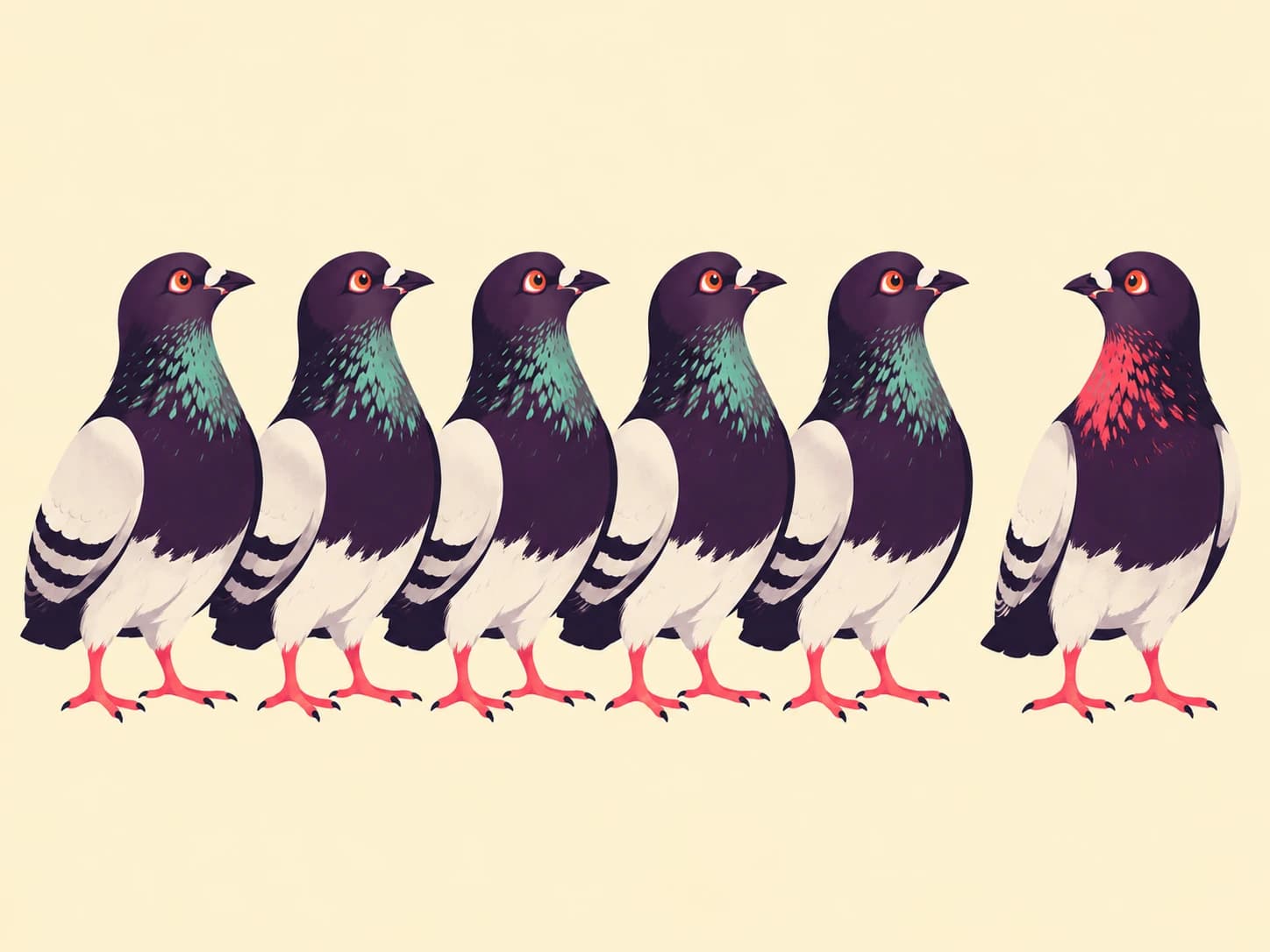
Majority Rules
The biggest crowd wins every round.
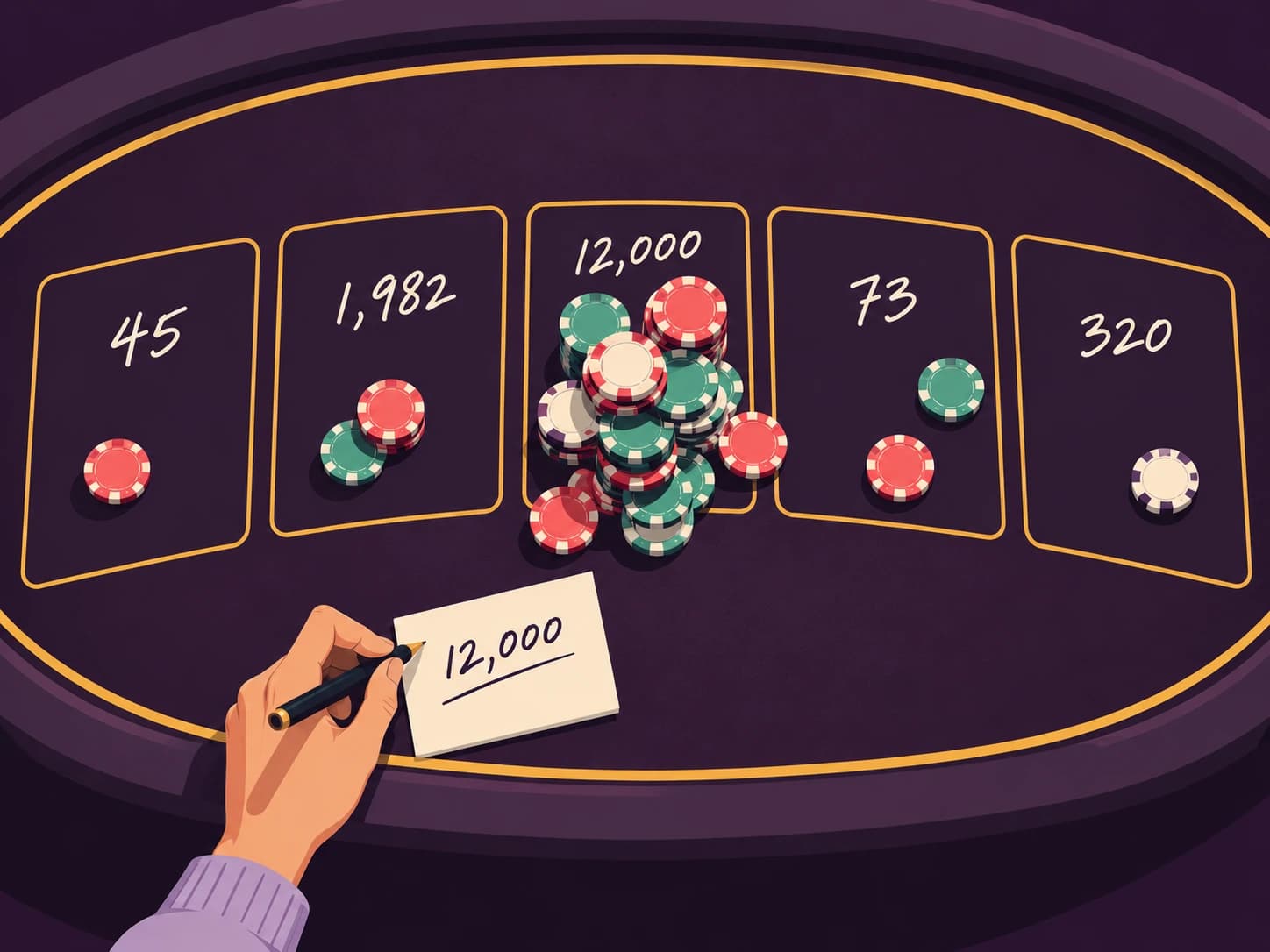
Bet Your Mate
Guess the number. Bet your chips.
Sketchy Business
Everyone is drawing the same thing. One person has no idea what it is.

The Pitch
Two situations. One line that somehow works in both.
Ready to play?
Test your group's poker faces with The Outsider.
Give the clues. Watch the side-eye. Find The Outsider before they work out the answer themselves.
Create The Outsider